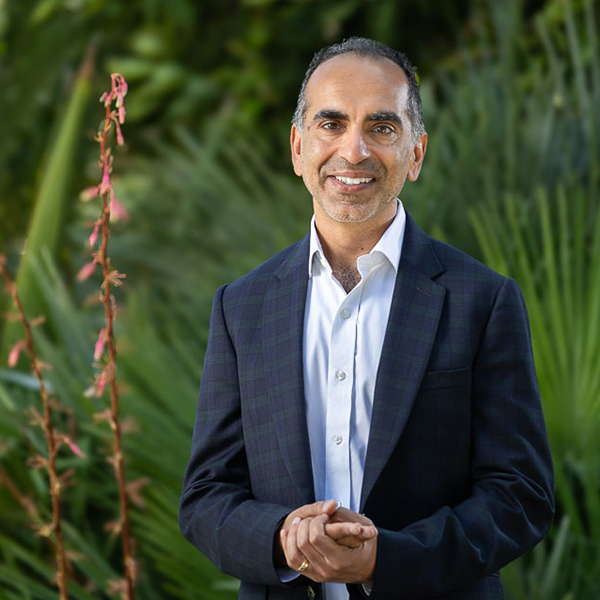
Head of the Melbourne School of Public Health
Head of School, Professor Sant-Rayn Pasricha MBBS(Hons) MPH PhD FRACP FRCPA FAHMS, is a haematologist, epidemiologist and biologist, and leads a comprehensive research program addressing the problem of maternal and child undernutrition (especially anaemia) through international field trials, experimental biology, and support for WHO policy and implementation. He leads the WHO Collaborating Centre for Anaemia Detection and Control. He collaborates deeply across the School, University, precinct, and internationally. He is also a laboratory head at WEHI, where he previously served as acting Deputy Director and Division Head, and is a consultant haematologist at The Royal Melbourne Hospital and the Peter MacCallum Cancer Centre.
His research program has a record of resolving key evidence gaps, making transformative scientific discoveries, and translating knowledge into policy at the highest international level, including informing WHO guidelines. He has published as lead author in Lancet, New England Journal of Medicine, Nature Medicine, Lancet Global Health, Lancet Haematology, and Blood among others, and his work has attracted support from the NHMRC and international donors including the Bill and Melinda Gates Foundation.
About our school
The Melbourne School of Public Health at the University of Melbourne is a global leader in public health education, research and practice, with a strong commitment to health equity.
Established in 2001 as Australia’s first school of its kind, we have grown into a vibrant, multidisciplinary community of almost 500 academic and professional staff and more than 160 graduate research students. We bring together diverse expertise across the public health spectrum, working with governments, health services, communities, industry and international partners to address complex health challenges.
Education is central to our mission. Our flagship Master of Public Health, alongside undergraduate teaching, specialist postgraduate degrees and graduate research programs, prepares graduates to contribute to a skilled, responsive public health workforce.
Our research spans epidemiology and biostatistics, health systems, policy and economics, the social determinants of health, global health and Indigenous health. Combining quantitative and qualitative methods, our researchers attract substantial competitive funding and collaborate internationally with organisations including the World Health Organization, the World Bank and the United Nations.
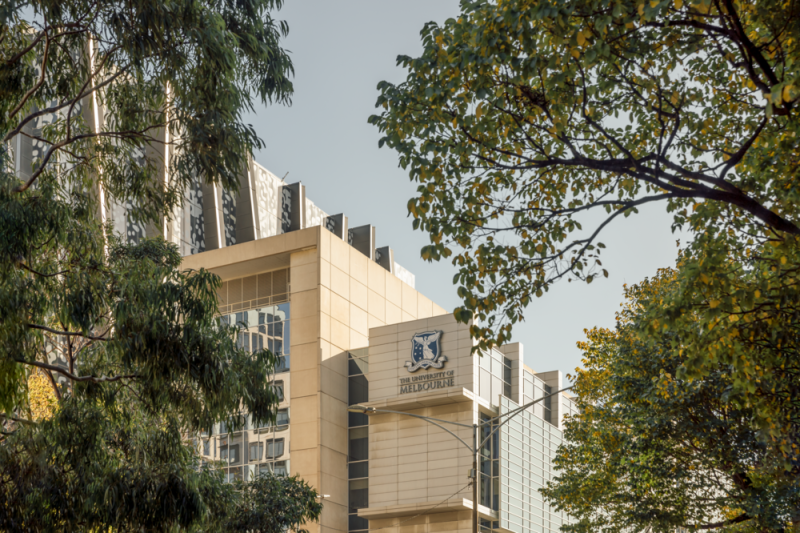
Our Departments and Research Areas
The School brings together disciplinary depth and methodological expertise across the public health spectrum, including strengths in both quantitative and qualitative research. Our departmental structure unites expertise across epidemiology and biostatistics, health systems, policy and economics, social determinants of health, as well as global and Indigenous health.
The Biomedical Precinct
The Melbourne School of Public Health is part of the Southern Hemisphere's largest biomedical precinct. It is a hub of innovation, exceptional collaboration opportunities and cutting-edge facilities.
Our reputation as Australia’s leading comprehensive research-intensive university means we attract and cultivate the most promising researchers from around the world. Collaboration with industry, other institutions and research organisations, the community and government means research outcomes can have a global impact.